



Hi everyone!

✅ AI Essay Writer ✅ AI Detector ✅ Plagchecker ✅ Paraphraser
✅ Summarizer ✅ Citation Generator
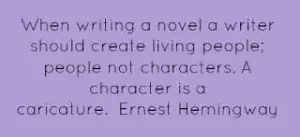 When I browse the Web, I often find articles like, “How to become a better writer,” or “Ten easy steps to become a writer,” and so on. Although you definitely can find useful pieces of advice on this topic, there is no ultimate, universal formula that guarantees you becoming a perfect writer. Professional development is a lengthy and individual process, and you need to walk it on your own.
However, there is also a list of “don’ts” for any writer. These are typical mistakes many people make, and if you are aware of them, your writing can improve rather fast. Here is the list:
(this is my personal opinion, and other writers might have different don’ts, or not have such a list)
- Don’t try to write like the authors whom you admire. A copy is always worse than the original, and besides, this is a direct way to remain a second-hand writer.
- Don’t stuff your head with all kinds of “rules a writer should follow,” or “before writing a novel, you should write an outline first.” Say what you have to say—this is enough.
- Don’t be upset about negative feedback you might (and will) receive. You are not supposed to be loved by everyone; definitely, some people will not appreciate what you do. Let it be—deal with it.
- Don’t ignore negative feedback, however. Mostly, it’s complaints of people who never wrote a single line; but, sometimes you can run into a valuable comment, a piece of writing advice, or even critical analysis of your writing—in this case, it is a chance for you to improve!
- Don’t seek to follow the latest literary trends, like when somebody writes a novel about vampires, and every other writer also starts writing about vampires.
These are the most important “don’ts,” in my opinion. Later, I will post some more mistakes that amateur writers tend to make. For now, good luck and enjoy your writing!
More from Educational Trends, News and Tips
Comments (0)
Welcome to A*Help comments!
We’re all about debate and discussion at A*Help.
We value the diverse opinions of users, so you may find points of view that you don’t agree with. And that’s cool. However, there are certain things we’re not OK with: attempts to manipulate our data in any way, for example, or the posting of discriminative, offensive, hateful, or disparaging material.